Binary Radar Serial Number
By Muhammad Khalid Hussain; published ; updated
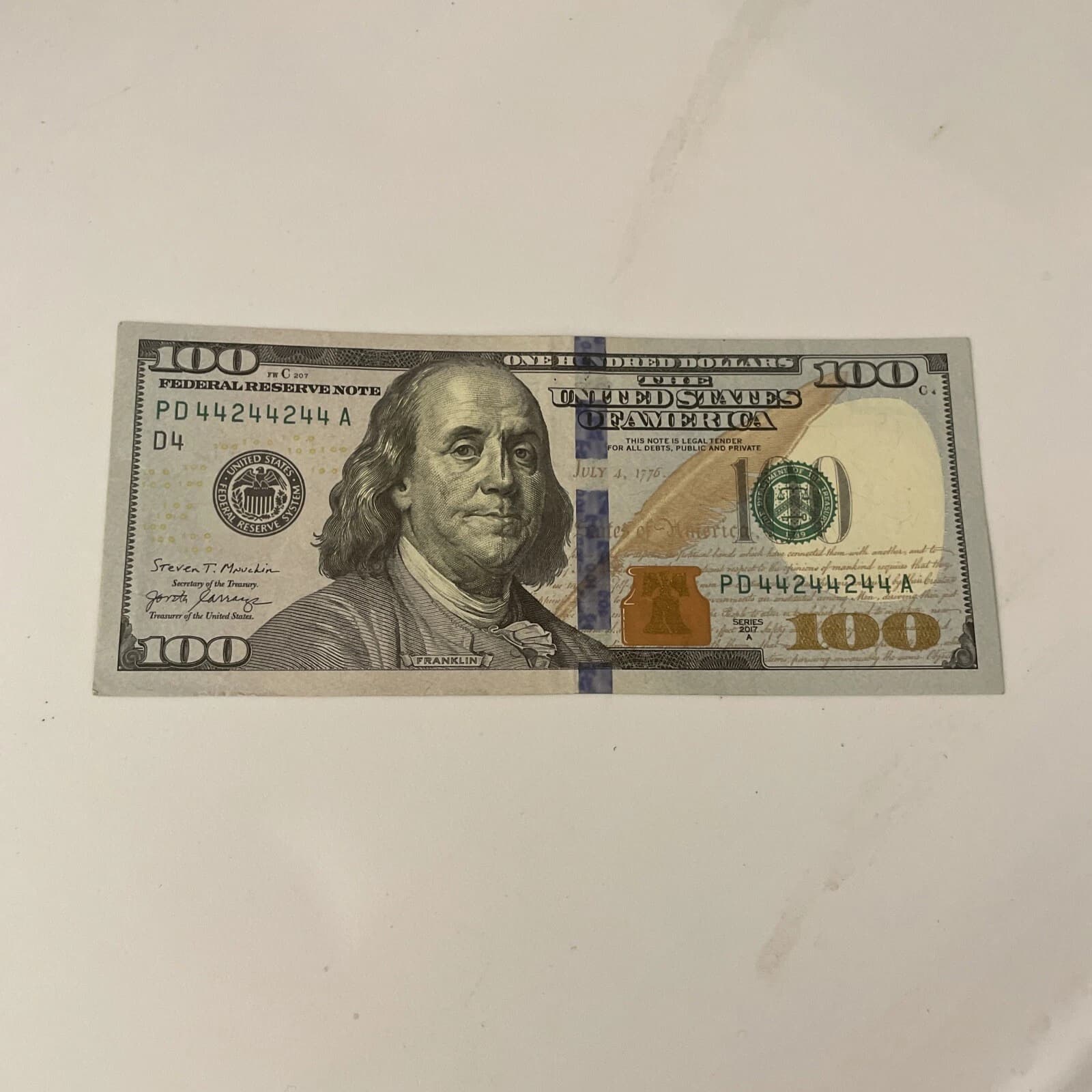
A binary radar serial number is an eight-digit palindrome made from exactly two distinct digits, such as 44244244. Banknote Expert checks both the mirrored shape and digit count.
Enter your bill’s 8-digit serial number above to see its rarity score, any matched patterns and an estimated value range. Nothing is uploaded. The check runs entirely in your browser.
What is a binary radar serial number?
A Binary Radar is an eight-digit serial that reads the same forward and backward and contains exactly two distinct digits. For example, 44244244 reverses to itself and uses only 4 and 2. The PCGS term repeater radar is also used for this two-digit palindrome concept.
Binary Radar vs radar, binary and super radar
Radar describes the palindrome shape, regardless of digit count. Binary describes exactly two different digits, regardless of arrangement. Binary Radar meets both rules. Super Radar is a radar whose six inner digits are identical; it can overlap Binary Radar when the outside digit differs from the repeated center. A binary radar may also be a repeater or a 180-degree rotator if its arrangement meets those separate rules.
See the Radar guide and Binary guide, plus the Super Radar guide and Radar Repeater guide guides.
| Label | Rule | Example |
|---|---|---|
| Radar | Reads the same backward and forward | 12344321 |
| Binary | Exactly two distinct digits, any arrangement | 44244244 |
| Binary Radar | Both a palindrome and exactly two digits | 44244244 |
| Super Radar | Palindrome whose inner six digits match | 17777771 |
Binary Radar examples and non-examples
Every example is eight digits and the palindrome check reads from the first and last positions inward. 00111100 is a true binary radar because it uses only 0 and 1. 00888800 is a binary radar and also reads the same when rotated 180 degrees using standard strobogrammatic digits.
| Serial | Result |
|---|---|
| 44244244 | Binary Radar; palindrome using 4 and 2 |
| 00111100 | True Binary and Binary Radar |
| 00888800 | Binary Radar and 180-degree rotator pattern |
| 11222111 | Two digits, but not a palindrome |
| 11111111 | Radar, but only one distinct digit |
| 14444441 | Super Radar and Binary Radar |
How rare is a Binary Radar?
Choose the two digits in 45 ways. A palindrome is determined by its first four positions; 2^4 = 16 possible halves are available, but two use only one digit. That leaves 14 qualifying halves for each digit pair, or 45 × 14 = 630 strings among 100,000,000. The odds are about 1 in 158,730. This is the exact result for the detector rule, replacing the hub's old approximate 1 in 139,000.
How much is a Binary Radar note worth?
There are no publishable verified Binary Radar sold-price bands in the current value source. The condition cells remain blank rather than borrowing from Radar or Binary, because those categories have different evidence.
Review the fancy serial number value guide and use the star note lookup to identify a star note.
| Condition | Recorded range | Sample |
|---|---|---|
| Circulated | ||
| Very Fine | ||
| Uncirculated |
What raises or lowers a Binary Radar's value?
- A star note combination may attract interest, but no Binary Radar star-note band is recorded.
- A strobogrammatic arrangement such as 00888800 adds a rotator feature. It does not guarantee a price premium.
- A $2 denomination can have a different buyer pool and face value than a $1 note; compare like denominations.
- A true binary radar uses only 0 and 1. The narrower description may interest some buyers, but no separate sold range verifies an uplift.
- Condition, denomination, serial presentation and completed-sale evidence all matter.
Should you keep, sell, or grade it?
A two-digit palindrome is a distinctive combination, but this site has no Binary Radar value band. Compare completed sales for similar notes before assigning a price. Grading is sensible only if condition and likely proceeds can cover all related costs.
How to check your serial
First confirm the eight digits are unchanged when reversed, then count distinct digits. Two distinct digits means Binary Radar. Check for 0/1-only digits, a solid inner six, repeated blocks and rotational symmetry.
Use the fancy serial number checker and explore the related Radar guide, Binary guide, Super Radar guide and Radar Repeater guide pages.
Check your serial on Banknote Expert
Enter all eight digits, including leading zeros, to see Binary Radar and any overlapping patterns.
Open the fancy serial checkerBinary Radar serial number FAQs
What is a binary radar serial number?
An eight-digit palindrome containing exactly two distinct digits.
How is a binary radar different from a radar?
A radar can use any number of distinct digits. Binary Radar is the subset that uses exactly two.
How is it different from a super radar?
A super radar has six identical inner digits. Binary Radar only requires a palindrome and exactly two distinct digits, though one serial can match both.
What is a true binary radar?
A Binary Radar using only 0 and 1, such as 00111100.
How rare is a binary radar?
There are 630 detector-matching strings among 100,000,000, or about 1 in 158,730.
How much is a binary radar note worth?
No verified Binary Radar sold-price band is published in the site's source. Compare completed sales for similar notes and condition.